Project
MiniONE Pro
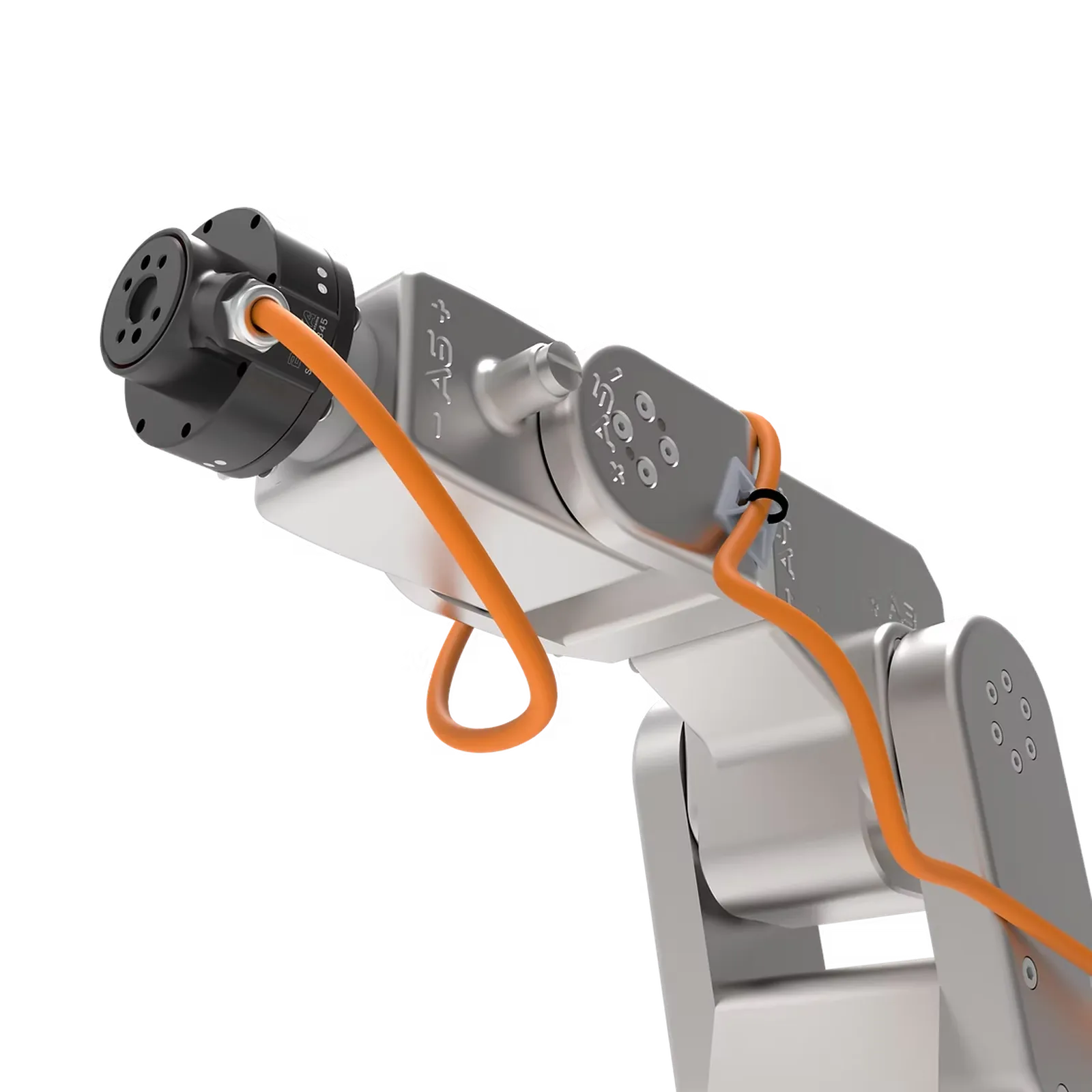
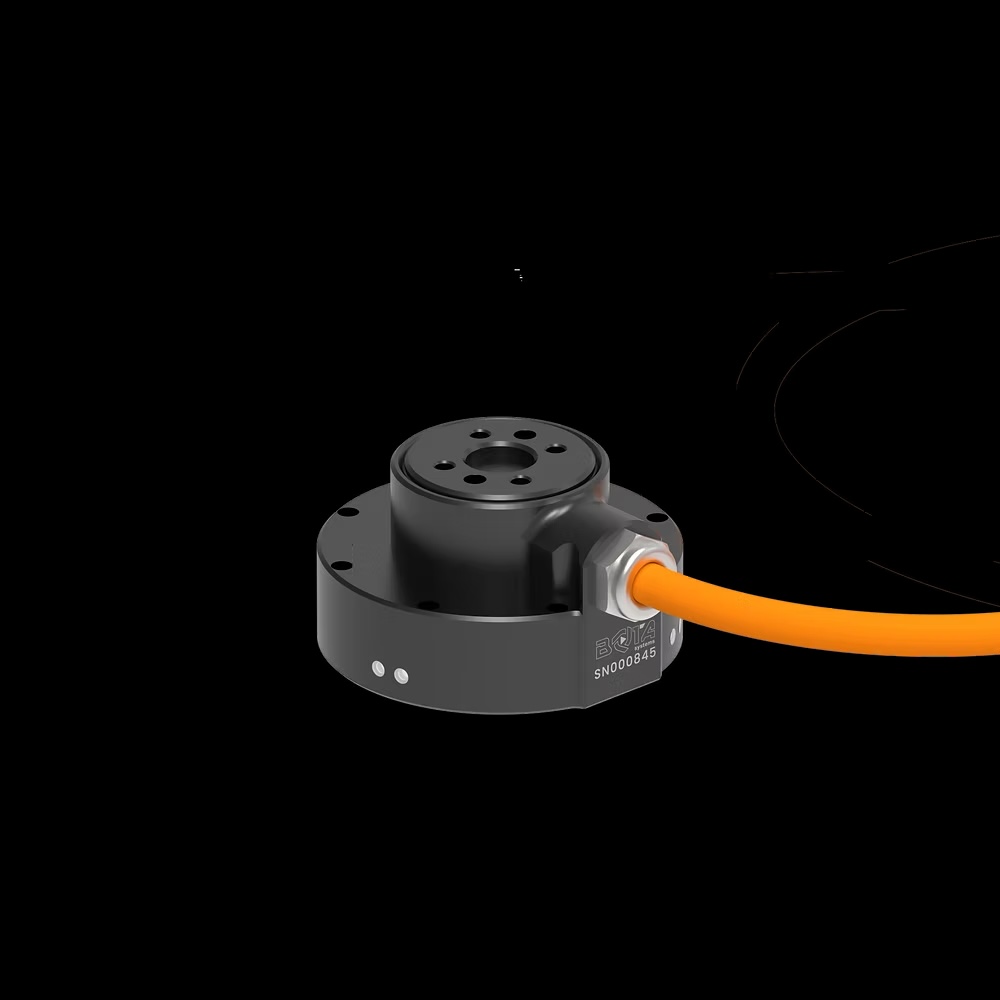
The most sensitive sensor Bota Systems ever built: 10 mN resolution at 60 g. I led the mechanical design of MiniONE Pro for micro-assembly, optical alignment, and semiconductor face-matching applications where sub-Newton precision is required. Winner of the EPDT Design Award 2023.
Product Design
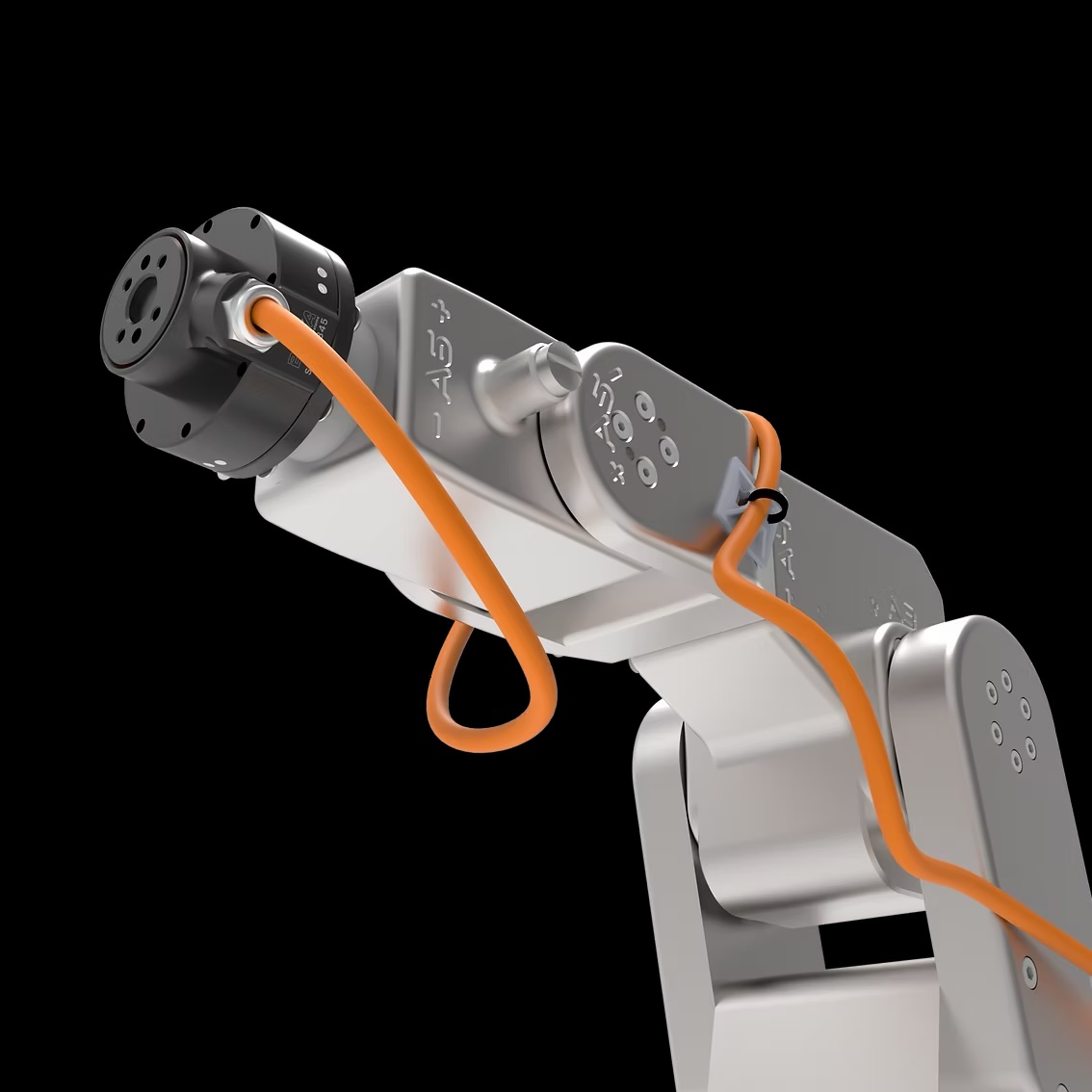
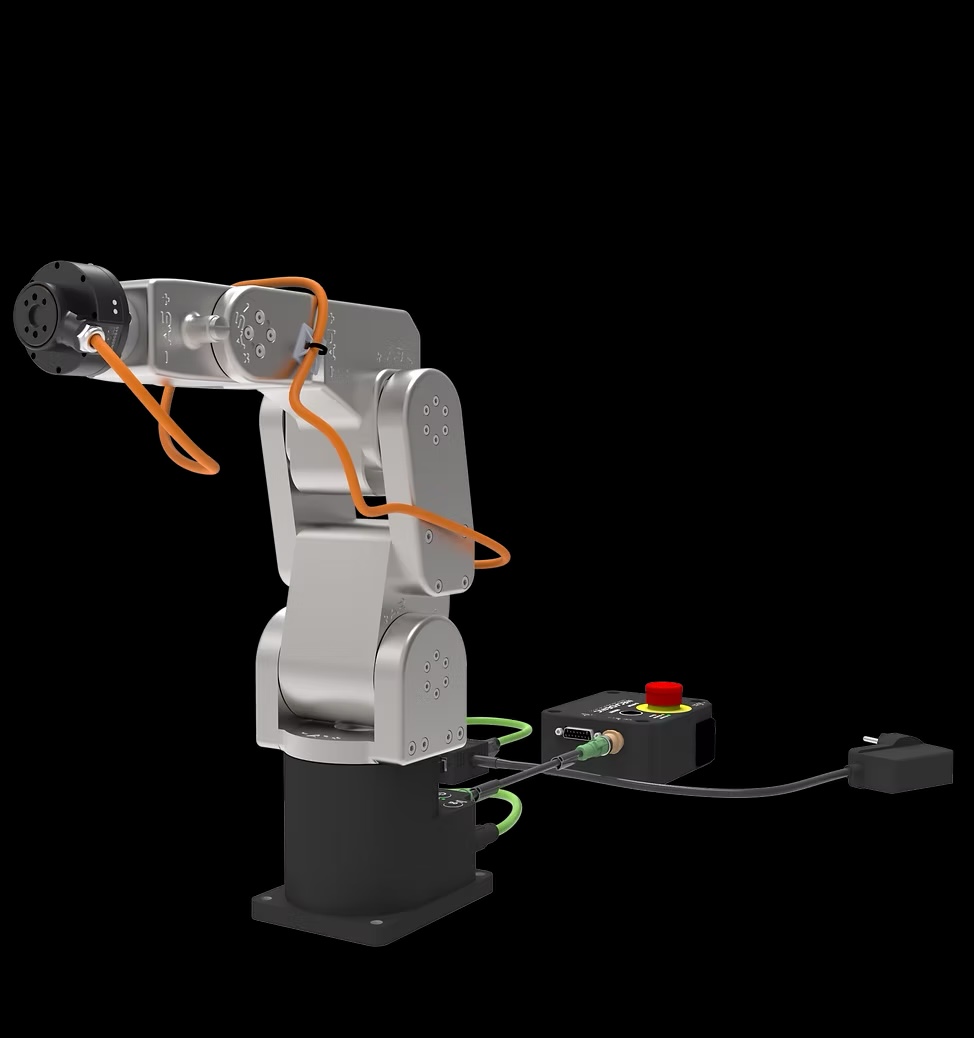
At 60 g with 10 mN resolution and up to 2000 Hz sampling, the MiniONE Pro is the most sensitive packaged force-torque sensor Bota Systems has shipped. I designed the dustproof, water-resistant casing with embedded electronics, a 6-DOF IMU, and temperature sensors, and made it plug-and-play compatible with Yaskawa MotoMini and Mecademic Meca500 for drop-in deployment in precision robotics cells.
PLM & Manufacturing
Built the company's PLM infrastructure from scratch, SolidWorks PDM to ERP: data integrity, ECO/ECR-controlled change management, and clean design transfer to contract manufacturers. Applied design-for-assembly principles that cut assembly time by 40%+, and designed automated jigs and end-of-line testing stations for consistent measurement quality at production scale.
10 mN
Resolution
60 g
Sensor Mass
40%+
Assembly Time Cut
Challenges
- At 60 g there is almost no thermal mass, so even small temperature changes affect strain gauge readings. Compensating for that while embedding a 6-DOF IMU and temperature sensors required very tight packaging.
- Production consistency was the real constraint: every unit had to meet the same 10 mN spec. Scaling from hand-built prototypes to series production meant designing the manufacturing process in parallel with the product.
Outcomes
- EPDT Design Award 2023. Adopted by global robotics teams, universities, and semiconductor fabs.
- Deployed in optical alignment, semiconductor pick-and-place, and laser component face-matching at companies previously using sensors costing several times more.
- DFA redesign cut assembly time by 40%+, making the product commercially viable at volume.