Project
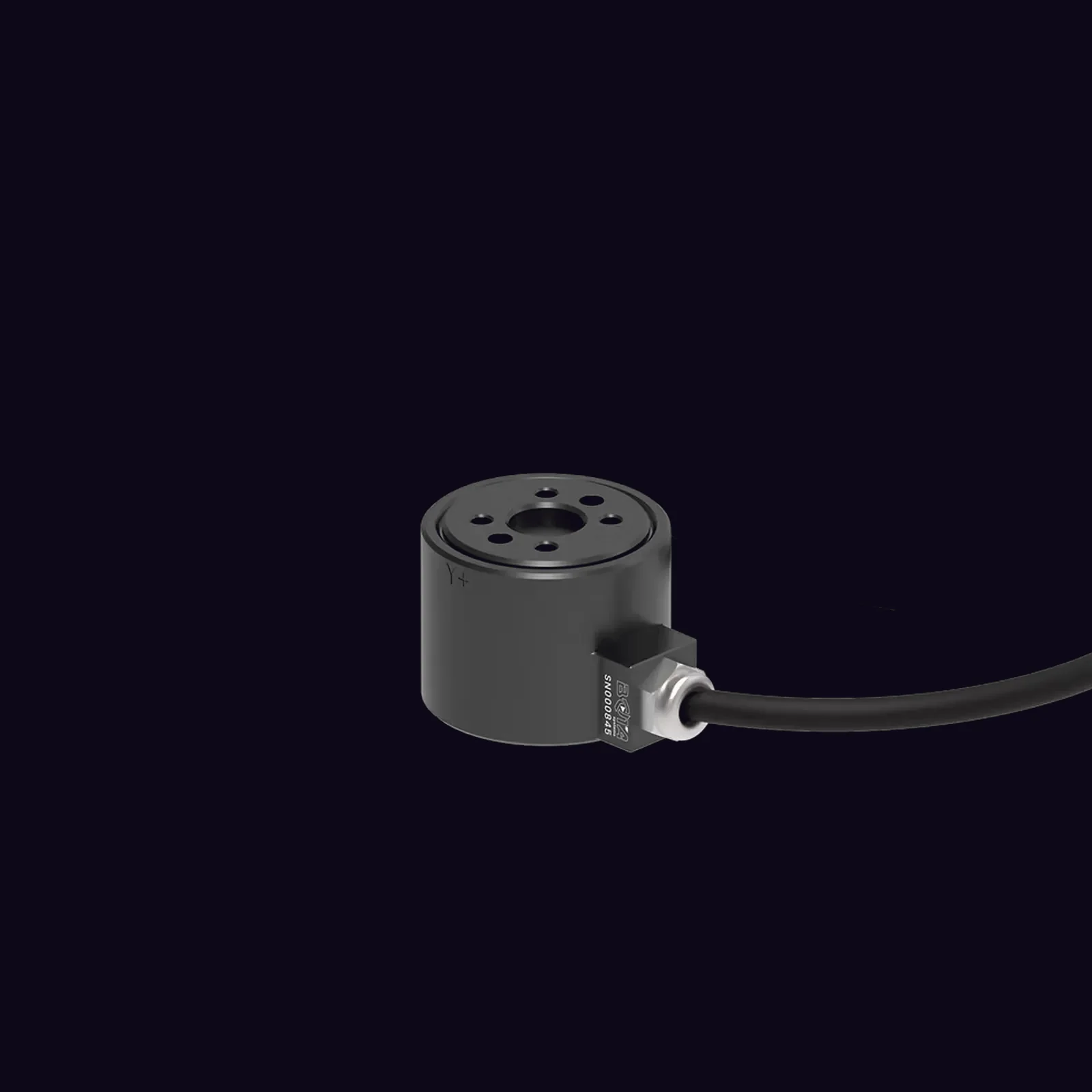
MiniONE
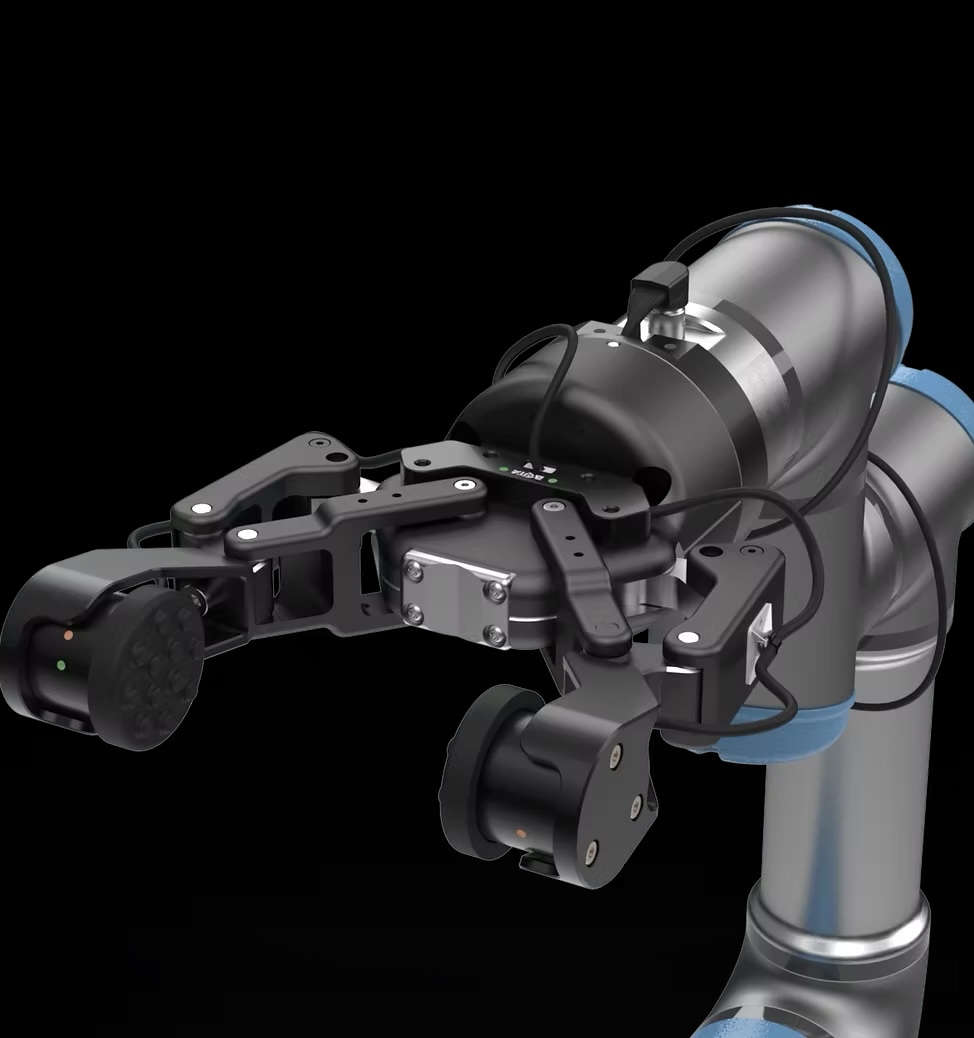
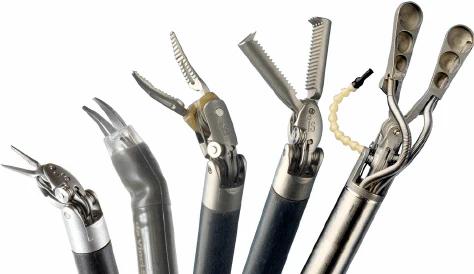
The smallest 6-axis force-torque sensor Bota Systems ever shipped, and the one that won EPDT Product of the Year. I was the primary mechanical engineer, taking MiniONE from concept through manufacturing release across 10+ SKUs for micro-assembly, robot-assisted surgery, and haptic feedback.
Product Design
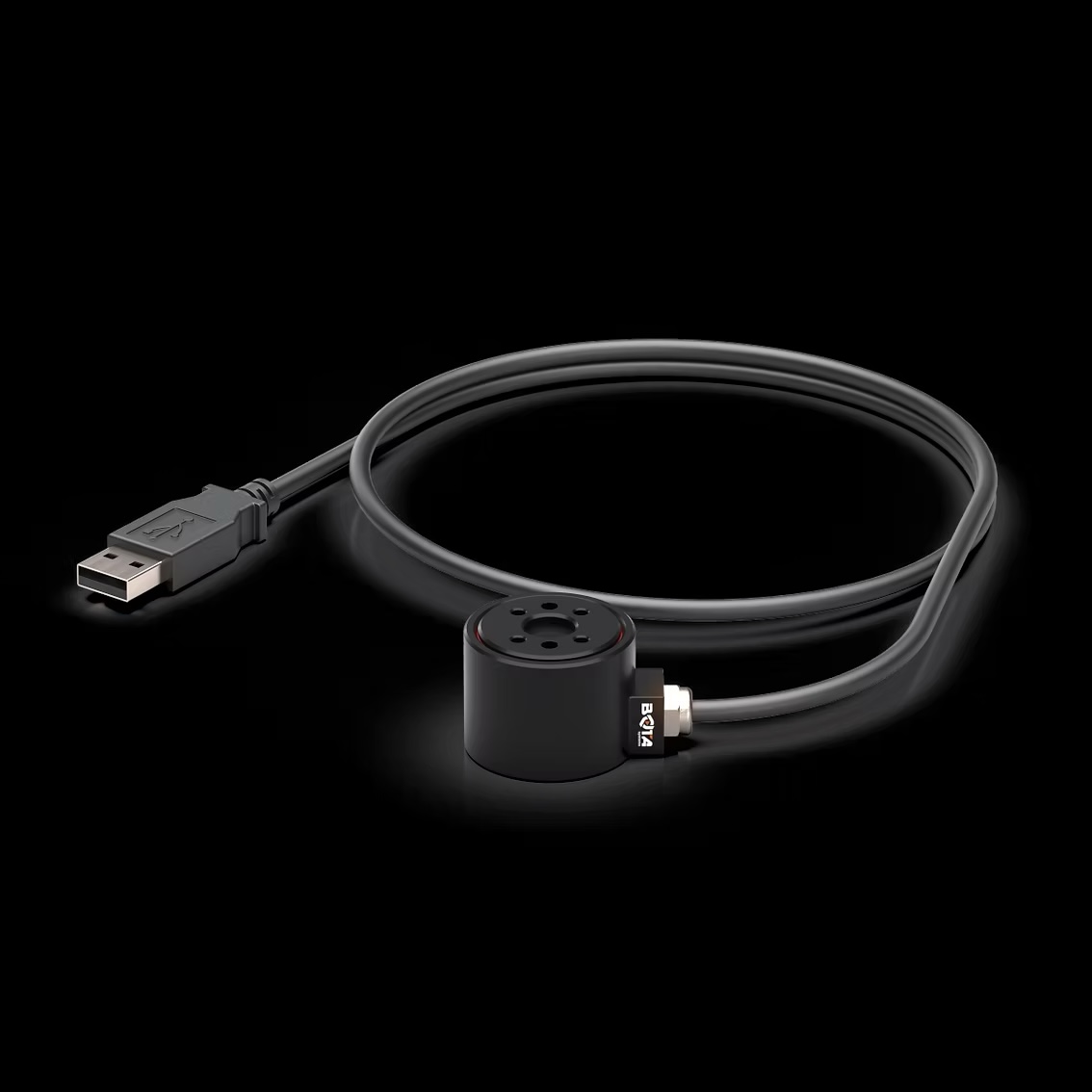
Fully integrated electronics, ultra-low-noise signal output, and a dustproof water-resistant casing, in a form factor small enough to mount on surgical instruments and micro-robots. I owned the mechanical design end-to-end: sensing element geometry, casing, sealing, and manufacturing drawings for 10+ SKUs.
Sim2Real Methodology
I developed a simulation-to-real calibration methodology linking FEA predictions to physical test data. The result was a ~400% improvement in sensor accuracy and a significant reduction in calibration work per unit. The method became standard practice at Bota Systems; every new sensor since has used it.
10+
Shipped SKUs
~400%
Accuracy Improvement
EPDT
Product of the Year
Challenges
- The ultra-compact form factor left no room for error. Every micron of the sensing geometry affected drift, noise, and cross-talk between axes.
- FEA models consistently over-predicted real-world sensor performance. Closing that gap required a new calibration methodology, developed from scratch.
Outcomes
- EPDT Product of the Year. 10+ SKUs shipped worldwide for micro-assembly, surgical robotics, and haptic feedback.
- ~400% accuracy improvement from the sim2real methodology, adopted as standard practice across the Bota Systems product line.